
For about three years running, I started every January the same way. I downloaded a new budgeting app, watched a YouTube video about cash envelopes, and told myself this was finally the year I would get my spending under control. By February I had forgotten the app password. By March the spreadsheet had fourteen blank rows. By April I had stopped thinking about it entirely.
I want to be upfront about something: my problem was never a lack of information. I knew I spent too much on takeout. I knew I had no emergency fund. I knew exactly what a budget was supposed to look like. Knowing and doing are two different things, and for me, the gap between them was enormous.
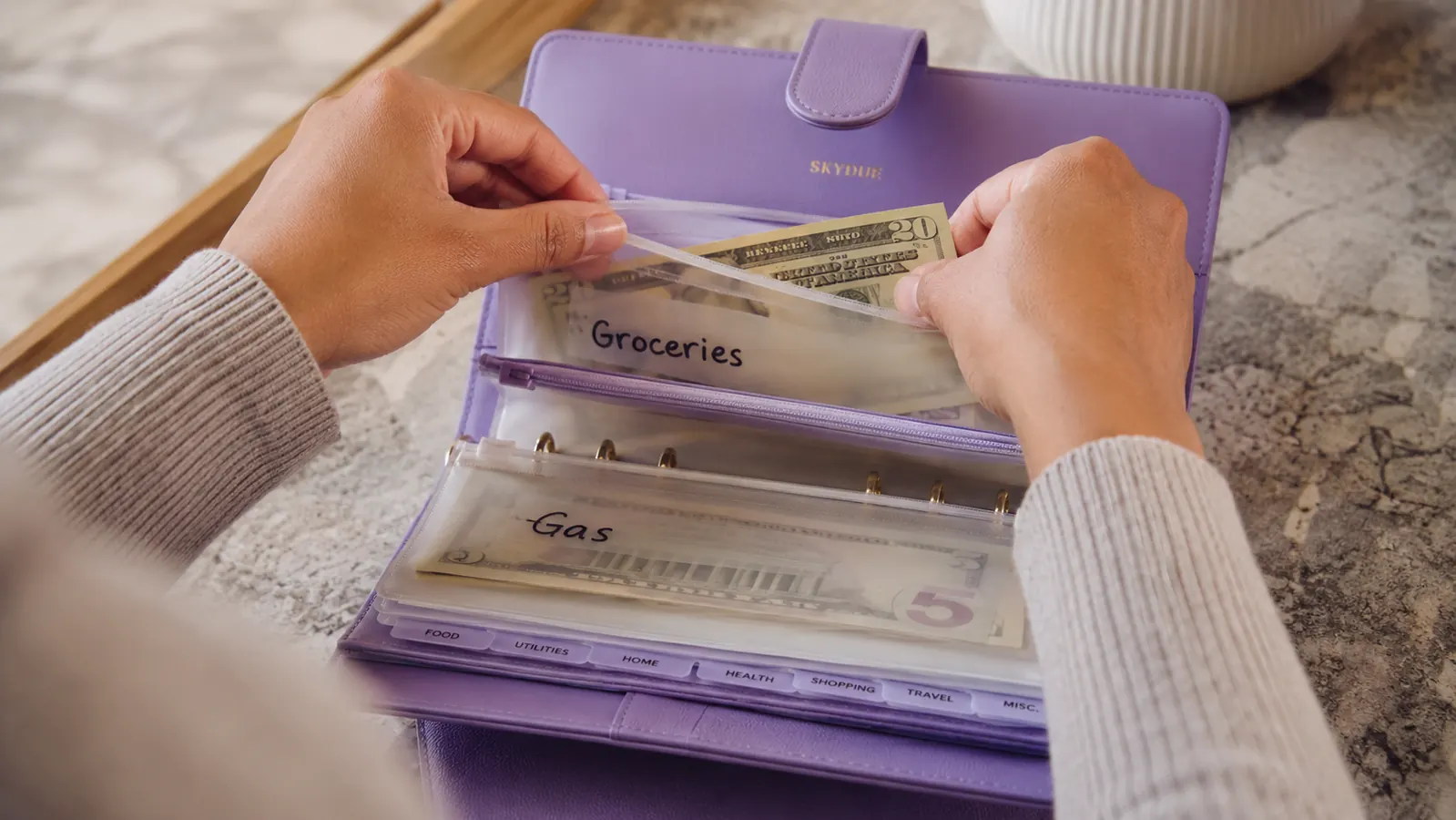
My sister Denise mentioned the cash envelope system at Thanksgiving. She was not being preachy about it. She just said she had tried a binder with physical envelopes and it was the first budgeting method that ever stuck for her. She showed me the one she used, the SKYDUE Budget Binder, a compact zippered binder with labeled envelopes built right in. It looked almost too simple. She said that was the point.
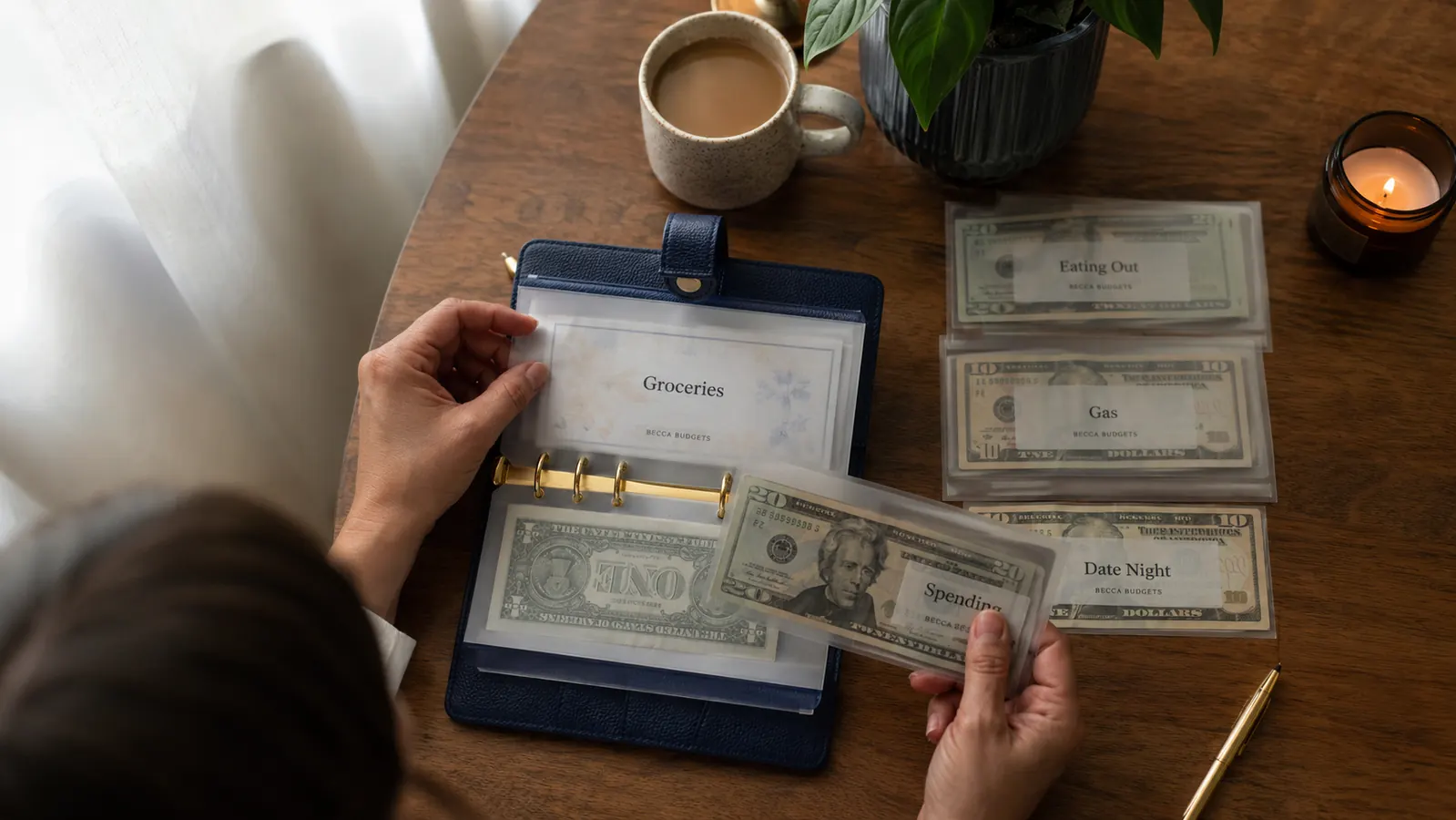
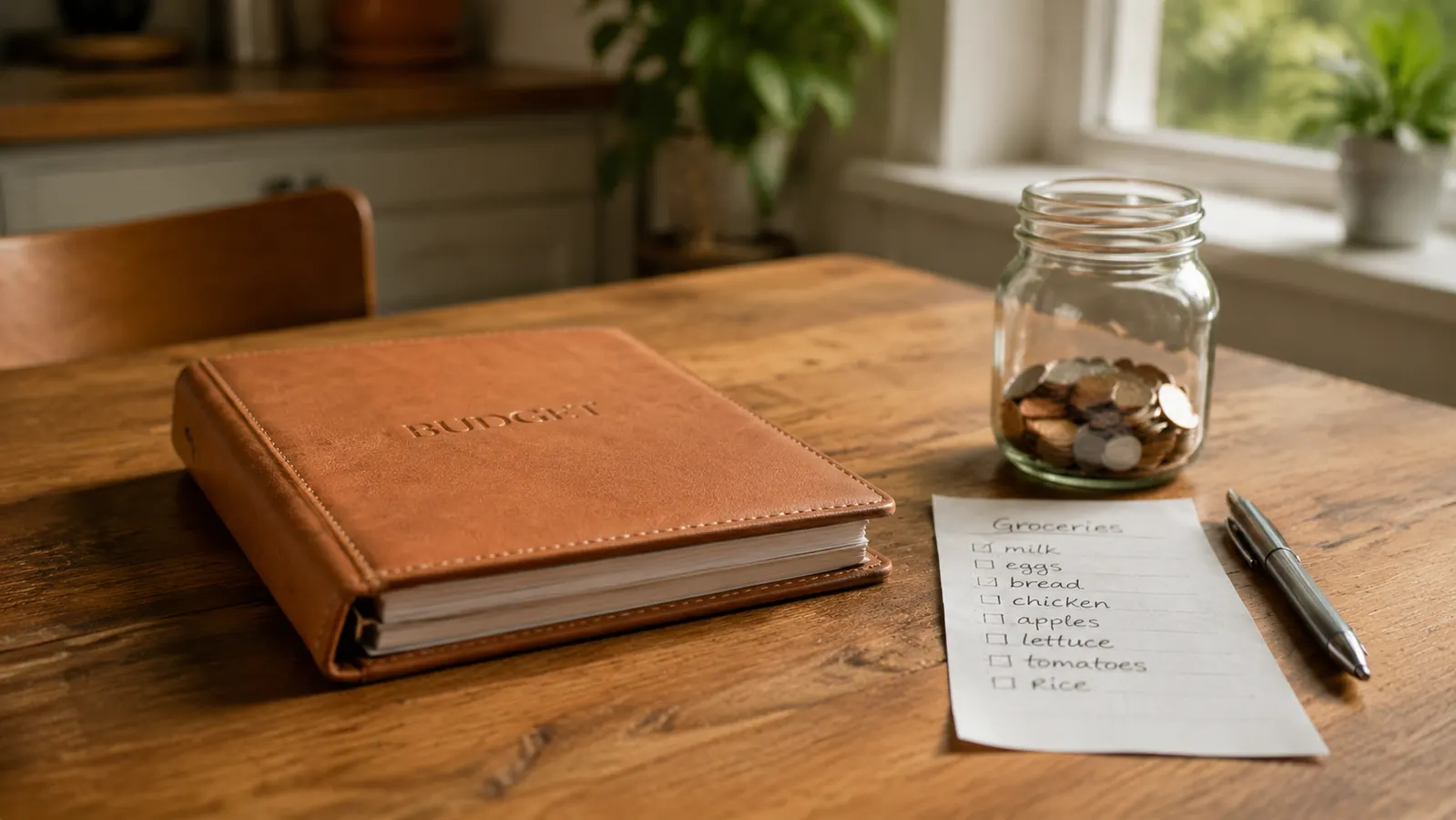
I ordered it that same night. When it arrived, I sat down at my kitchen table on a Sunday afternoon, my paycheck stub in one hand, a pen in the other, and I did something I had never actually done before. I wrote down every category I spent money in. Groceries. Gas. Eating out. Phone. Pet supplies. Personal spending. Then I counted out the cash for each one and put it in the right envelope.
The moment I put the grocery envelope in my purse and left my debit card at home, something shifted. I could feel the budget. It was not numbers on a screen anymore.
That first week was uncomfortable in a way that was actually useful. I went to the grocery store and spent most of my envelope. I had a small amount left and five days before the next payday. I made it work. That experience taught me more about my real spending than six months of app notifications ever had.
The SKYDUE binder itself is straightforward. It has a zippered main compartment, a set of clear zipper envelopes inside, pre-printed budget sheets in the back pocket, and a small pen loop. Nothing fancy. The envelopes are durable enough that I have been using the same set for several months without them falling apart. The binder fits in my everyday bag without taking up much room, which matters because the system only works if you actually carry it with you.
The binder that finally made my budget feel real, not just theoretical
The SKYDUE Budget Binder comes with zipper envelopes, budget sheets, and everything you need to start the cash envelope system today. Over 19,000 buyers and a 4.7-star rating tell you it holds up in real life.
Amazon Check Today's Price on Amazon →By month two, I noticed I was naturally spending less on eating out. Not because I was white-knuckling it, but because I could see the envelope getting thin midway through the month. I moved some from my personal spending envelope to pad it a little, which is fine, but that trade-off made me think twice before ordering delivery. The physical reality of the system did the thinking for me.
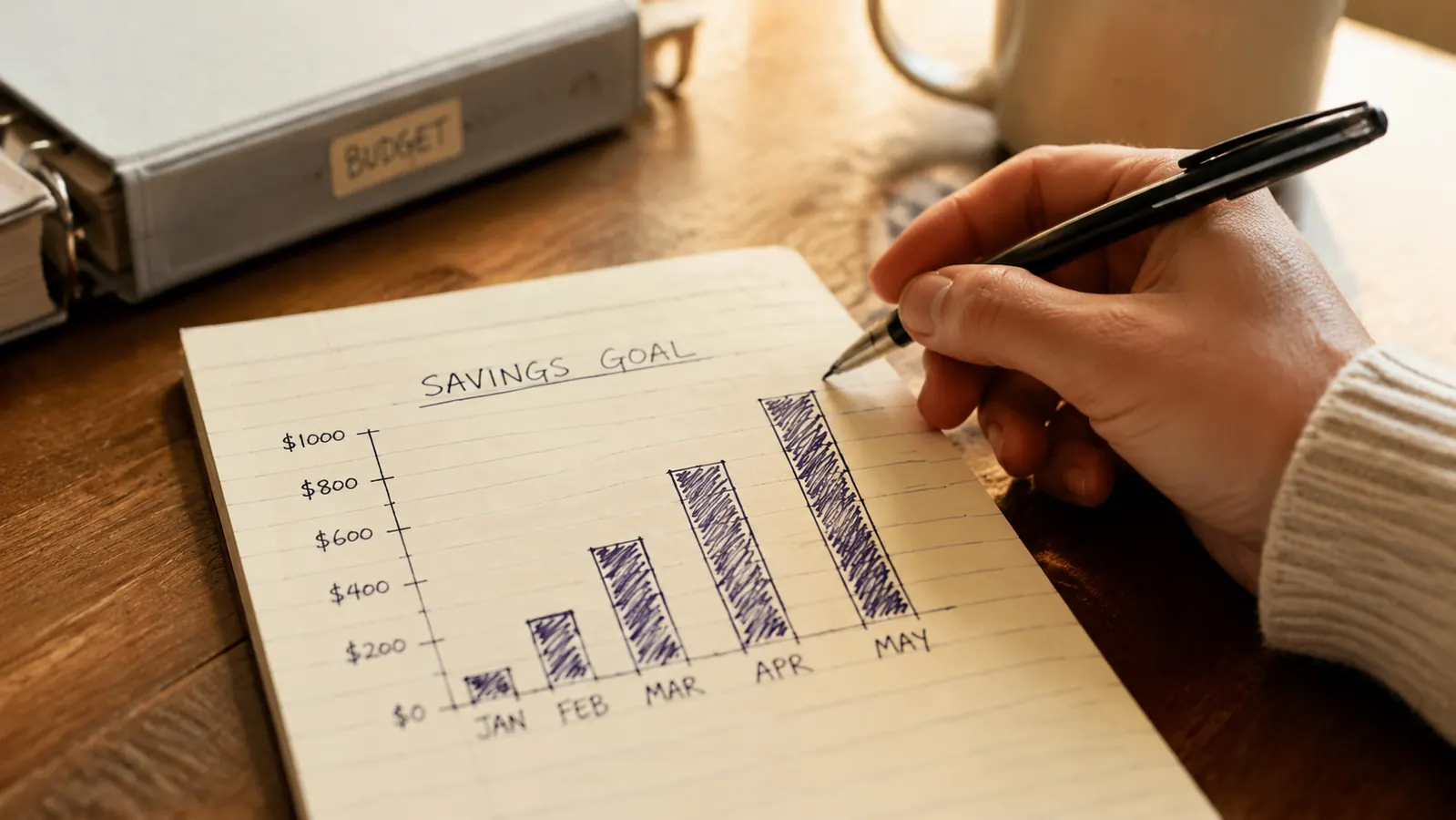
Month three was when I added a savings envelope. I put money in it on payday and treated it like any other category. That money was already "spent" in my mind before any bills came out. At the end of month three I had that amount sitting there untouched. I moved it to a basic savings account. Then did it again month four. And month five.
Five months after I sat down at that kitchen table with my paycheck stub, I had four figures in a savings account. I realize that does not sound like a lot. It felt like a lot. It was the first time in my adult life I had looked at my bank account and seen a number that was not in danger of hitting zero before the next paycheck. That buffer changed how I felt going into each week. Less anxious. A little more in control.
There are some honest limitations worth naming. The cash envelope system is not perfect for every category. My rent and utilities are auto-drafted, so those stay digital. Subscriptions are tricky to run on cash. And if you make most of your purchases online, you will need to adapt the system, which takes a bit of problem-solving. The binder itself is also not going to fix any underlying income gaps. If money is genuinely too tight, no organizing system changes that. But if your problem is that you earn enough and still cannot seem to hold onto it, the physical envelope system is worth trying before anything else.
If you want to read more about how other people have used this binder long-term, the SKYDUE Budget Binder long-term review goes deeper on what works and what does not after six months of daily use. And if you want to understand why the cash envelope method works psychologically, the 10 reasons the cash envelope system works piece lays it out plainly.
What I'd Tell You If We Were Sitting at My Kitchen Table
I would tell you to skip the apps, at least for now. Not because apps are bad, but because digital spending is invisible and invisible money is easy to ignore. The whole reason the envelope system worked for me is that it made the budget something I could touch. I could feel when I was close to the edge. I could see the envelope getting lighter. That sensory feedback did what no push notification ever managed to do for me. If you have been cycling through budgeting methods for years and nothing has stuck, try the physical version before you try another app. The SKYDUE binder costs less than a single restaurant meal. The worst case is that it does not work for you. The best case is that it is the thing that finally makes budgeting click. That is a pretty good gamble for what it costs.
Ready to try the physical version of budgeting?
The SKYDUE Budget Binder is the most straightforward way to start the cash envelope system. Envelopes, budget sheets, and a durable zippered binder all included. More than 19,000 people have used it and rated it 4.7 out of 5 stars.
Amazon Check Today's Price on Amazon →